






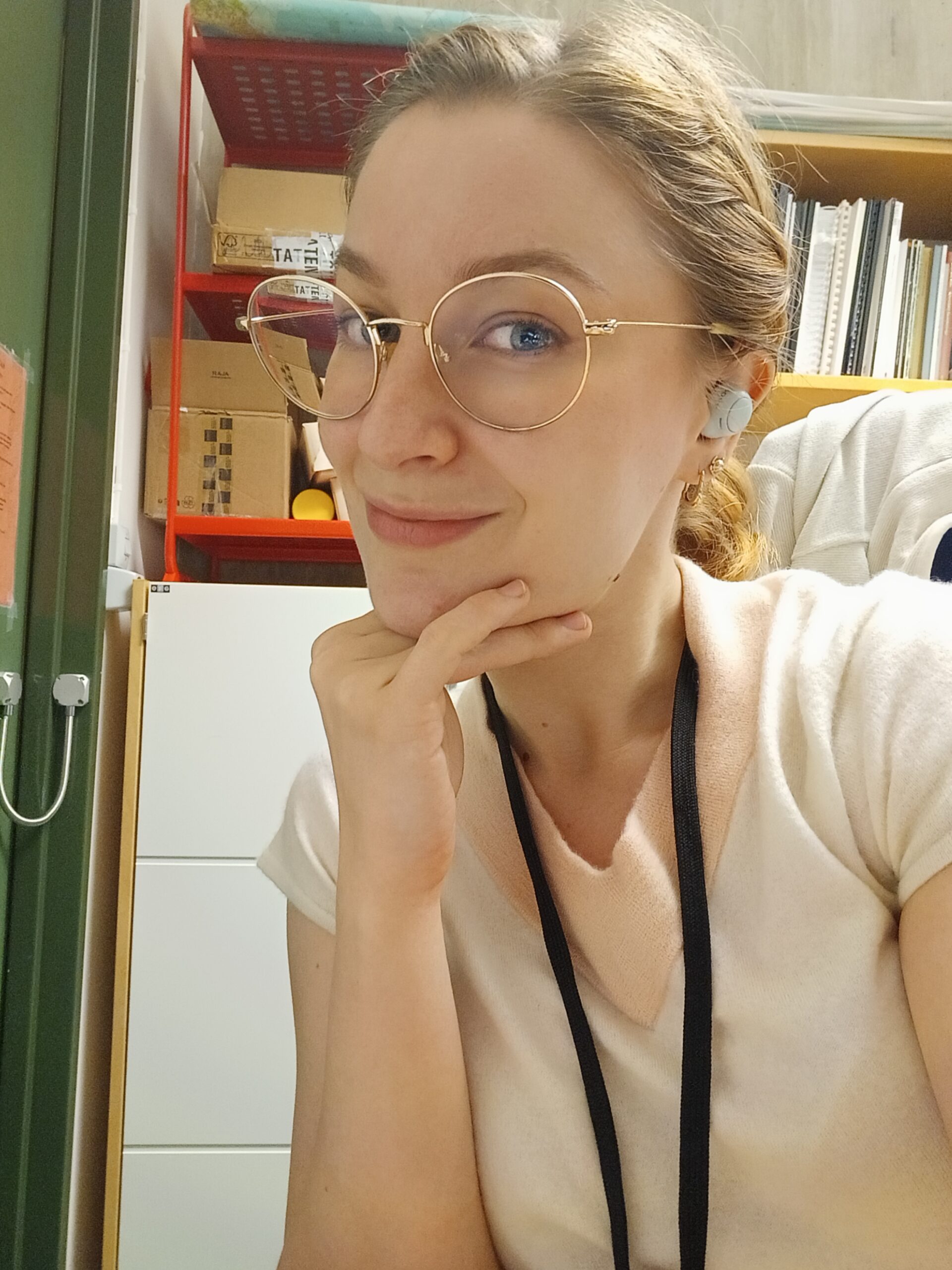
publication of our PhD student Zofia Stachowska in Nature Communications

On November 11, 2024, an article titled Coastal lake sediments from Arctic Svalbard suggest colder summers are stormier was published in the prestigious, high-impact journal Nature Communications (IF 14.7). Zofia Stachowska, MSc, a PhD student at the University of Szczecin, affiliated with the Institute of Marine and Environmental Sciences and the Doctoral School, is the first author.
The publication results from international scientific collaboration between Zofia, Dr. Mateusz Strzelecki, PhD DSc from the University of Wrocław, and Dr. Willem van der Bilt from the University of Bergen (Norway). Since October 2021, this work has been conducted as part of the international OPUS NCN research project ASPIRE – Arctic storm impacts recorded in beach-ridges and lake archives: scenarios for less icy future (UMO-2020/37/B/ST10/03074).
The research was based on analyses of sediments from the small coastal lake Steinbruvatnet, located on Sørkappøya Island in Southern Svalbard, and provides significant new insights into Arctic storminess over the past 10,000 years. Spanning almost the entire Holocene (the current and most recent geological epoch), the reconstruction was made possible through an innovative combination of classical geochemical and sedimentological methods with advanced techniques – high-resolution XRF and computed tomography (CT) scanning.
The findings came with a surprise, as increased storminess was linked to as cooler climate periods, challenging previous assumptions that linked more dynamic weather conditions to warmer conditions. Furthermore, researchers identified a ~1500-year cyclicity, a pattern also observed in other climatic records from the North Atlantic. Dr. van der Bilt refers to the observed cyclicity as the heartbeat of the region’s climate system. Lastly, the study revealed synchronized changes in the intensity of the two dominant wind systems – polar easterlies and westerly winds.
The results not only provide fresh perspectives on climate variability during the Holocene but might also contribute to a better understanding and forecasting of the potential impacts of modern climate change in the Arctic. This is particularly critical for predicting major environmental hazards such as coastal erosion and permafrost degradation.
For more details on the research, please visit the following links:
Bjerknes Centre For Climate Research
Springer Nature Research Communities
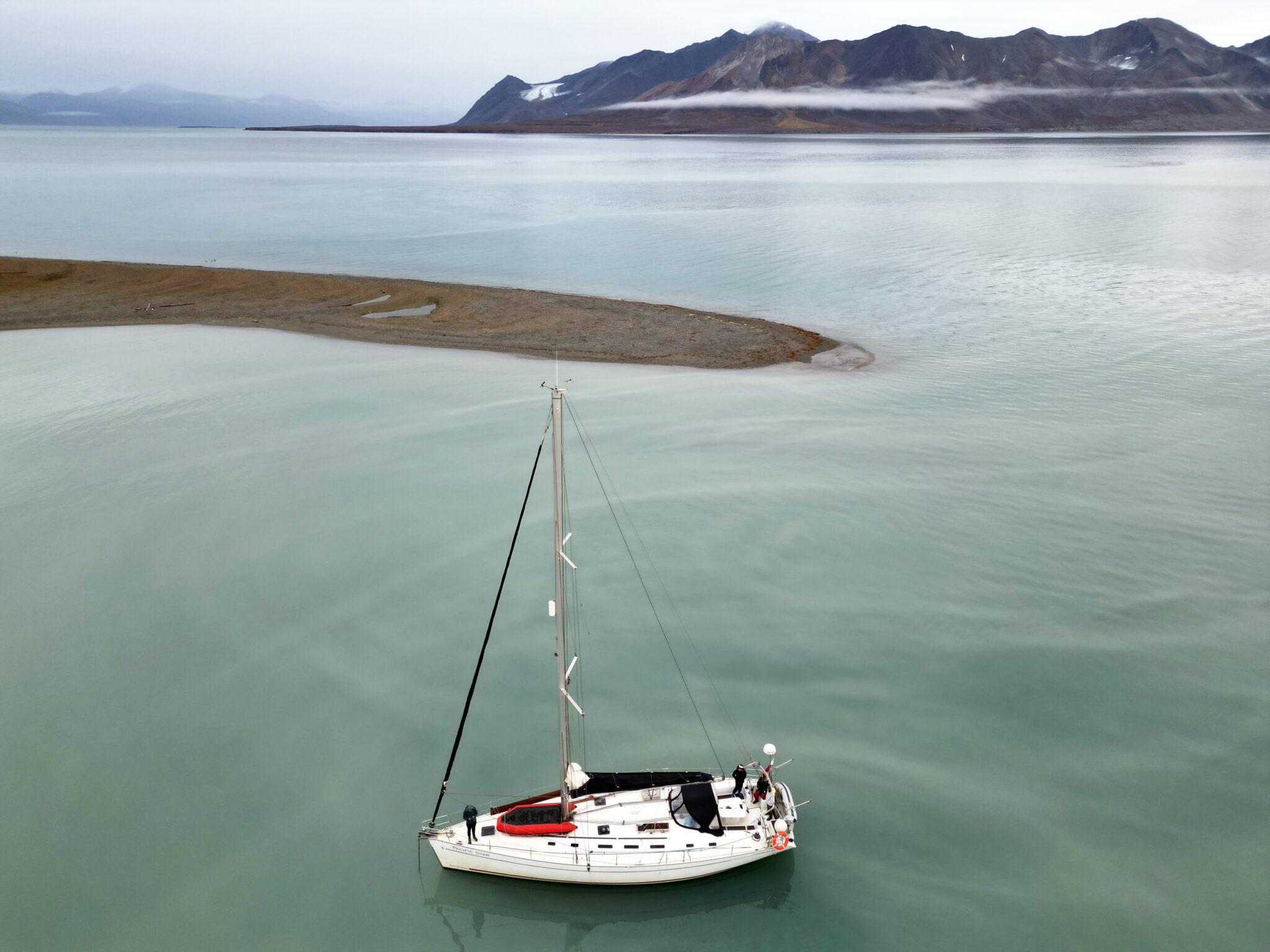
The photo is by Dr. Willem van der Bilt.
Congratulations and we wish you further scientific achievements!